First Semi Truck Financing in Canada: What New Owner-Operators Need to Know
How first-time owner-operators in Canada finance a semi truck, from lender requirements to CSBFP options.
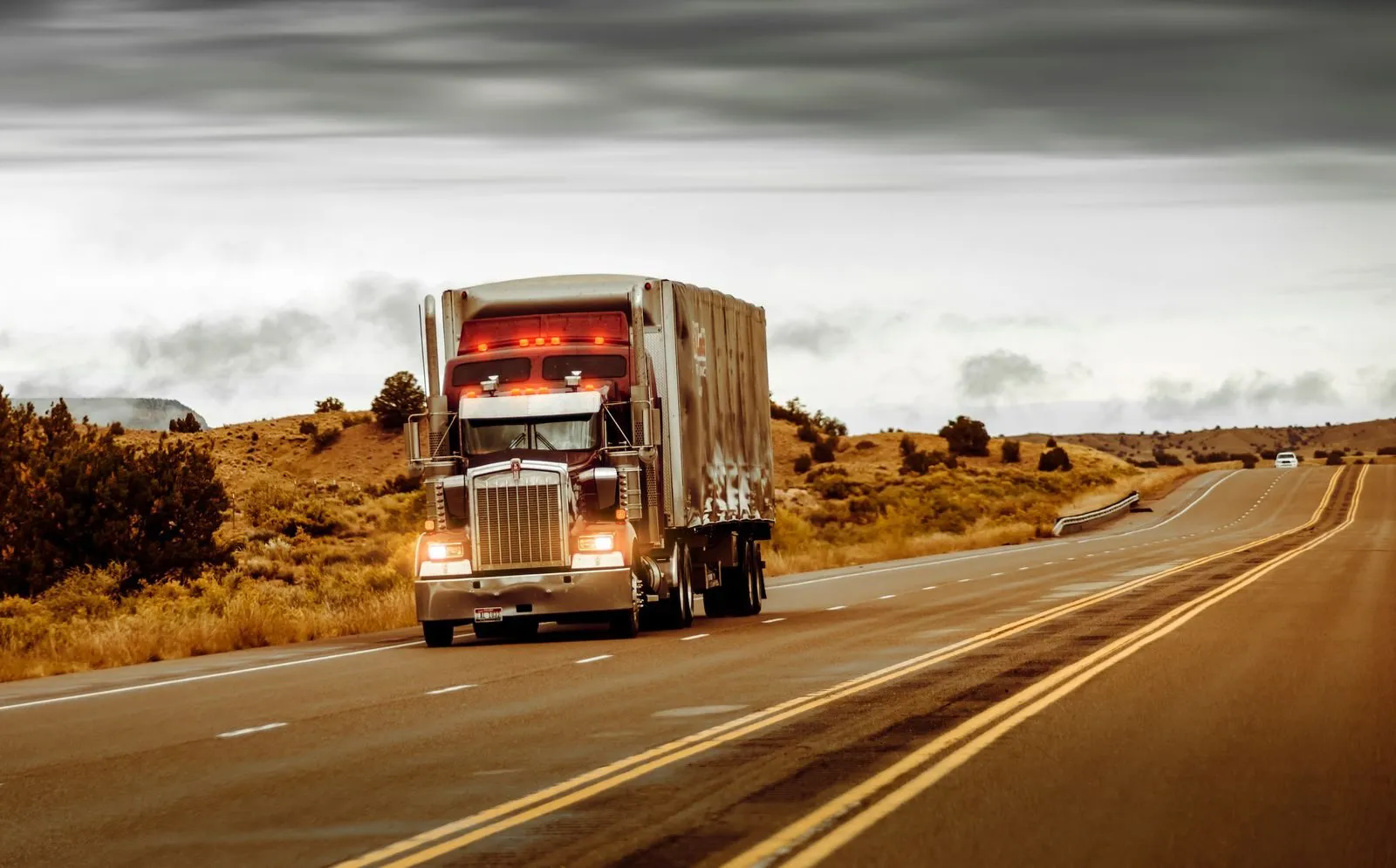
First semi truck financing covers the loans and leases that let a new owner-operator buy a Class 8 highway tractor and start hauling independently. You may have years of driving experience as a company driver, but lenders see you as a startup because you have no trucking business financials to show. That changes how the file gets built, what the lender weighs, and which programs can help close the gap.
Key takeaways
- Lenders evaluate a first truck deal primarily on the truck’s resale value, your personal credit and your down payment, because there is no business operating history to review.
- The Canada Small Business Financing Program lets new businesses borrow up to $500,000 for equipment with a federal loss guarantee, capping the floating rate at prime plus 3%.
- A Class 8 highway tractor above 11,788 kg qualifies for CCA Class 16 at 40% per year, a faster tax write-off than the 30% rate lighter trucks get under Class 10.
- Budget for insurance, maintenance, fuel and licensing before you sign. The monthly truck payment is only one line on your cost sheet.
| Item | Detail |
|---|---|
| Bank of Canada policy rate | 2.50% as of October 2026 |
| Canadian prime rate | 4.70% as of November 2026 |
| CSBFP equipment maximum | $500,000 per borrower |
| CSBFP floating rate cap | Prime plus 3% |
| CCA Class 16 (freight trucks above 11,788 kg) | 40% declining balance |
| Funding through CBL Financial | Up to $1,000,000, terms from 24 to 72 months |
What lenders evaluate on a first truck deal
A company driver moving to owner-operator status is, from the lender’s perspective, a startup. There is no trucking business income statement, no two years of tax returns showing freight revenue, no history of making equipment payments. So the lender shifts its attention to the parts of the file that are available.
The truck itself
The truck is the collateral. A newer Class 8 highway tractor from a recognized manufacturer with an active resale market gives the lender confidence that it can recover its money if the deal goes sideways. Published auction values and dealer wholesale guides help the lender price the collateral quickly. An older unit with high kilometres or a niche configuration has fewer buyers on the secondary market, which means the lender takes on more risk and the deal gets harder to approve or comes with a wider margin.
Personal credit
Without business financials, your personal credit score carries most of the weight. In Canada, scores range from 300 to 900. A strong score signals reliable debt management and gives the lender a reason to approve the file. A thinner credit file does not necessarily mean a decline, but it usually means a higher rate or a larger down payment. If your credit needs work, see our guide to equipment financing with bad credit for steps that can strengthen your file before you apply.
Down payment
Putting money down reduces the lender’s exposure on the deal. For a first-time buyer with no business history, a meaningful down payment can be the difference between an approval and a pass. It also lowers your monthly payment and total interest cost over the term. Use the equipment financing calculator to see how different down payment amounts change the numbers.
Industry experience
Years behind the wheel matter, even though they do not show up on a balance sheet. A lender reviewing a first truck deal looks at whether the borrower has a commercial licence, relevant driving history and a realistic plan for where the freight revenue will come from. A company driver with a decade of experience and a contract or carrier relationship lined up is a materially different file from someone who just earned their licence.
New truck vs used truck
New Class 8 tractors carry a higher price tag, but they come with manufacturer warranties, lower near-term maintenance costs and a clearer collateral value that lenders can underwrite against published pricing. Financing terms on a new truck are typically the most straightforward a first-time buyer will find.
Used trucks let you enter the market at a lower total cost. The trade-off is that the lender applies a discount to the collateral value based on the truck’s age, mileage and condition, and the file may need a larger down payment to reach a loan-to-value ratio the lender will approve. A well-maintained used truck with documented service history and a clean title from a reputable dealer is a stronger file than a private sale with incomplete records.
CBL Financial arranges financing on trucks from dealers, auctions and private sellers, so the sourcing decision stays with you. For more on how used equipment deals work, see our guide to used equipment financing.
Government-backed financing through the CSBFP
The Canada Small Business Financing Program (CSBFP) is one of the most useful tools for first-time truck buyers. It is designed for businesses with gross annual revenue of $10,000,000 or less, which covers virtually every new owner-operator.
The program works by sharing the default risk between the federal government and the lender. That risk-sharing lets lenders approve files they would otherwise decline, and it caps the rate:
- Floating rate: the lender’s prime rate plus 3%
- Fixed rate: the lender’s residential mortgage rate for the term, plus 3%
There is a 2% registration fee on the total loan amount, which can be financed into the loan. The equipment maximum under the program is $500,000 per borrower. Farming operations are excluded, but a freight trucking business qualifies.
For a first-time buyer, the CSBFP is worth asking about at any participating lender, including banks and credit unions. Not every lender promotes it, so you may need to bring it up yourself.
Loan vs lease for your first truck
An equipment loan means you own the truck from day one and build equity with every payment. The loan’s interest is generally deductible as a business expense, and you claim Capital Cost Allowance on the asset. Ownership also means you can sell or trade the truck whenever it suits you.
An equipment lease keeps the truck off your balance sheet (in an operating lease structure) and turns the cost into a predictable monthly payment that is typically deductible as a business expense. Leasing can be easier to qualify for because the lessor retains ownership of the equipment, which reduces their risk on the deal. At the end of the term, you can buy the truck for a pre-set residual, return it, or upgrade.
Which structure costs less after tax depends on your revenue, your tax bracket and the deal terms. Your accountant can run both scenarios with real numbers. For a broader comparison, see our guide to the advantages of an operating lease.
Tax treatment: CCA Class 16
When you buy a semi truck with a loan, you own the asset and can claim Capital Cost Allowance (CCA). Most Class 8 highway tractors have a gross vehicle weight rating above 11,788 kg, which qualifies them for CCA Class 16 at 40% per year on a declining balance. That is a faster write-off than the 30% rate that lighter commercial vehicles receive under Class 10.
The faster depreciation schedule front-loads more of the tax deduction into your first few years of ownership. For a new owner-operator whose early years carry the highest financial pressure, that timing matters. Your accountant can confirm which class applies to your specific truck and model the deduction against your projected income. For a deeper look, see our guide to equipment financing tax benefits.
Pro tip: Confirm with your accountant that your truck’s GVWR puts it above 11,788 kg before you file. Most Class 8 highway tractors clear that threshold easily, but getting it right means claiming 40% instead of 30% from year one.
Costs beyond the truck payment
Lenders want to see that you have thought past the monthly payment. Truck financing is one line on your operating cost sheet, and the other lines determine whether you can actually make that payment every month.
Insurance. Commercial truck insurance for a new owner-operator with no claims history will cost more than what a fleet with a track record pays. Get quotes before you commit to a truck payment so you know the full monthly number.
Fuel and maintenance. These are your largest recurring expenses after the truck payment and insurance. Newer trucks tend to be more fuel-efficient and carry warranty coverage, while older trucks may cost less to finance but more to keep running.
Operating authority. To haul freight as an independent carrier in Canada, you need a carrier profile in your province and, for interprovincial work, a National Safety Code (NSC) safety fitness certificate. The registration and compliance costs are modest compared to the truck itself, but they take time to set up.
Licensing. A Class 1 licence (Class A in Ontario) is required to drive a Class 8 tractor-trailer combination. If you do not already hold one, the training and testing costs should be factored into your startup budget.
Heads-up: Do not calculate your monthly cash flow based on the truck payment alone. Insurance, fuel, maintenance, licensing and operating authority costs combined can match or exceed the payment itself in the early months.
How CBL Financial can help
CBL Financial arranges truck financing and leases from multiple lenders across Canada, with funding up to $1,000,000 and terms from 24 to 72 months. Because your application goes to lenders who regularly fund transportation deals, you see competing offers suited to your file rather than a single quote. Apply online to get started or run the numbers on the equipment financing calculator.
Frequently asked questions
Can I finance a semi truck with no business history?
Yes. Lenders evaluate first-time truck deals based on the truck’s collateral value, your personal credit score, your down payment and your industry experience. A strong personal credit file combined with a solid down payment and relevant driving history can qualify you even without business financial statements.
What is the minimum down payment for a first semi truck?
There is no universal minimum. Each lender sets its own requirements based on the overall file. For a first-time buyer, a larger down payment strengthens the application because it reduces the lender’s risk. Some deals can be structured with lower down payments when the truck’s collateral value is strong and the borrower’s credit is solid.
Does the CSBFP cover semi trucks?
Yes. The Canada Small Business Financing Program covers equipment purchases, including commercial vehicles, for businesses with gross annual revenue under $10,000,000. The equipment maximum is $500,000 per borrower, and the floating rate is capped at prime plus 3%. Farming operations are excluded, but a freight trucking business qualifies.
Is it better to buy new or used for a first truck?
That depends on your budget and risk tolerance. New trucks carry higher payments but come with warranties and predictable maintenance costs. Used trucks cost less to finance and let you test the business at a lower monthly commitment, though maintenance risk is higher. Both can be financed through loans or leases.
What CCA class applies to a semi truck?
Most Class 8 highway tractors have a gross vehicle weight rating above 11,788 kg, which places them in CCA Class 16 at 40% per year on a declining balance. Lighter commercial trucks fall into Class 10 at 30%. Your accountant can confirm which class applies based on the specific truck’s weight rating.
Should I lease or finance my first truck?
A loan gives you ownership and equity from day one, plus CCA deductions on the asset. A lease keeps the payment predictable, may be easier to qualify for, and the full payment is typically deductible as a business expense. The better choice depends on your cash flow, tax situation and how long you plan to keep the truck. Your accountant can model both options.
General information, not financial advice.