Buying Used Equipment in Canada: Financing, Inspections and Private Sales
Financing used equipment in Canada, including private sales, auctions, inspections and what lenders need to see.
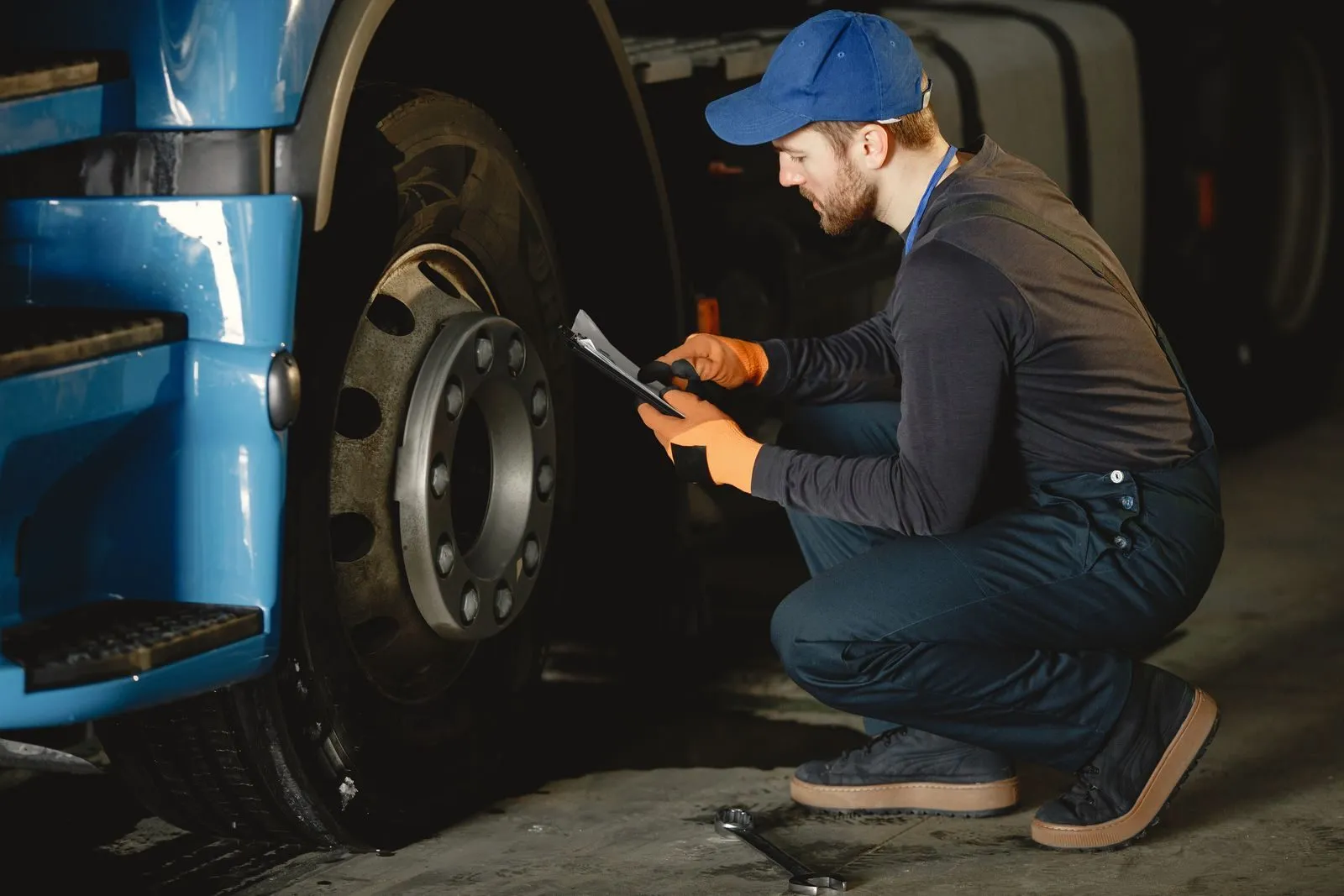
A well-maintained machine that’s a few years old often does the same work as a new one for a fraction of the price, and the first owner has already absorbed the steepest part of the depreciation. That’s why so many Canadian businesses buy used. This guide covers how buying and financing used equipment works: where it trades, how lenders look at it, and the checks that protect you before any money changes hands.
Why used equipment is the value play
New equipment loses a noticeable share of its value as soon as it leaves the lot, and it depreciates fastest in its early years. A second owner buys in after that drop and pays for the working life that’s left rather than the showroom premium. For trucks, trailers, excavators, machine tools and a lot of shop equipment, that remaining life can run for years, sometimes decades.
The trade-off is variability. Two identical models can be in very different shape depending on hours, maintenance and how hard they were run. So the value case for used equipment depends on a bit more homework up front (verification and inspection) in exchange for a lower price.
There’s a cash-flow benefit too. A lower purchase price generally means a lower monthly payment over the same term, which leaves more room for payroll, materials and everything else the business runs on. If you need what the machine does and don’t need it to be brand new, a well-chosen used unit is often the better use of the money.
Where used equipment trades
Dealers
Equipment dealers and used-truck lots sell reconditioned inventory with a clear invoice, and often a limited warranty or service history. It’s the most straightforward channel to finance because the paperwork lenders expect already exists. You usually pay a premium over private-sale prices for that reassurance.
Auctions
Auction houses move a lot of used equipment, sometimes at good prices, but they run on their own timelines and settlement rules. Lots usually sell as-is, so the inspection window before the sale matters, and your financing has to be ready when the hammer falls. Get pre-approved before you bid (more on that below).
Private sales
Some of the best values never reach a dealer lot: a contractor retiring, a fleet being downsized, a shop consolidating equipment. Private sales can offer the lowest prices, and they also carry the most risk if you skip verification. With no dealer standing behind the asset, the lien search, valuation and inspection are what protect you.
How financing differs for used assets
Financing used equipment is entirely normal in Canada, but fewer lenders do it and they look harder at the asset. New equipment comes with a clean invoice and a predictable depreciation curve. A used machine needs its value and condition established independently. Lenders weigh make, model, year, hours and overall condition alongside your cash flow and credit, so the asset carries more of the decision than it would on a new purchase.
Because lenders differ in how comfortable they are with used and private-sale deals, the offers you get can vary widely. A file one lender declines can be routine for another, which is why a used-equipment application benefits from reaching more than one desk.
Lien searches under the PPSA
Before you buy used equipment, especially privately, you need to know whether it already secures someone else’s debt. In every province and territory outside Quebec, lenders register their security interest in equipment under the local Personal Property Security Act (PPSA). Quebec runs its own register (the RDPRM). A search against the asset and the seller shows any registered claims still attached to the machine.
This matters because a registered lien stays attached to the equipment when it changes hands. If you buy a machine that still secures an unpaid loan and the seller defaults, the seller’s lender may have a claim on equipment you thought you owned outright. The fix is to clear or account for any registered interest before closing, often by paying the seller’s lender directly out of the purchase funds.
Valuations and appraisals
A lender needs to be satisfied that the price reflects real market value and isn’t an inflated number agreed between a friendly buyer and seller. For common assets with active resale markets (trucks, trailers, popular construction equipment), comparable sales can support the value quickly. For specialized or unusual equipment, a formal appraisal may be required.
A supportable valuation protects you as well as the lender. It confirms you aren’t overpaying, and it sets the amount the financing is built around. If the agreed price sits below independently assessed market value, that gap works in your favour.
Valuation also shapes the term. A lender won’t usually finance an asset for longer than its realistic remaining life, so an honest read of how many working years a machine has left keeps the structure sensible and keeps you from still paying for equipment after it has stopped earning.
Inspection basics
Check the serial number, review the maintenance and service records, and where you can, have the equipment looked at by someone who knows that kind of machine. Hours or mileage, wear on the expensive components, and signs of regular servicing tell you far more than the year of manufacture.
For higher-value or heavily used equipment, a professional inspection is money well spent. It can turn up deferred maintenance that changes the real cost of owning the machine, and it gives both you and the lender confidence in how much life it has left.
Auction pre-approval
Auctions reward preparation. Lots sell as-is and settlement is fast, so you want financing lined up before you raise a paddle. Pre-approval tells you how much you can bid and confirms the funds will be ready within the auction house’s settlement deadline, so a winning bid doesn’t fall apart over timing.
A pre-approved budget also keeps you disciplined in the room. You bid up to a number that already fits your financing instead of getting caught up and committing to a purchase you then have to scramble to fund.
Common pitfalls
The usual mistakes on used purchases are avoidable:
- Skipping the lien search on a private sale.
- Agreeing to a price with no independent view of market value.
- Financing a machine for longer than its realistic remaining working life.
- Taking one lender’s decline as the end of the deal.
- Treating a private seller’s word on hours or history as fact without checking it.
Each of these is a documentation problem, not a reason to avoid used equipment. Handled properly, a used purchase gets you the price advantage without inheriting someone else’s liabilities.
How a broker helps
A broker turns the extra homework on a used purchase into a managed process. The lien search, the valuation, inspection guidance and the payout to the seller get coordinated, and the application goes to lenders that fund used and private-sale equipment as everyday business rather than as an exception.
Where CBL fits
CBL Financial finances used equipment from dealers, auctions and private sellers across Canada. We work through the asset details with you and place the file with lenders suited to used equipment, who check for liens before any money moves. Funding goes up to $1,000,000, terms run 24 to 72 months, zero-down options are available, and approvals can come the same day. If you’ve found a machine, whether it’s on a lot, at auction or in a private ad, send us the details and we’ll tell you how it finances. You can read more about used equipment leasing or start an application.
General information, not financial advice.