Hydrovac Truck Financing in Canada: Costs, CCA Class and What Lenders Require
How Canadian hydrovac operators finance vacuum excavation trucks, with CCA Class 16 rules, CSBFP options and lease vs. loan terms.
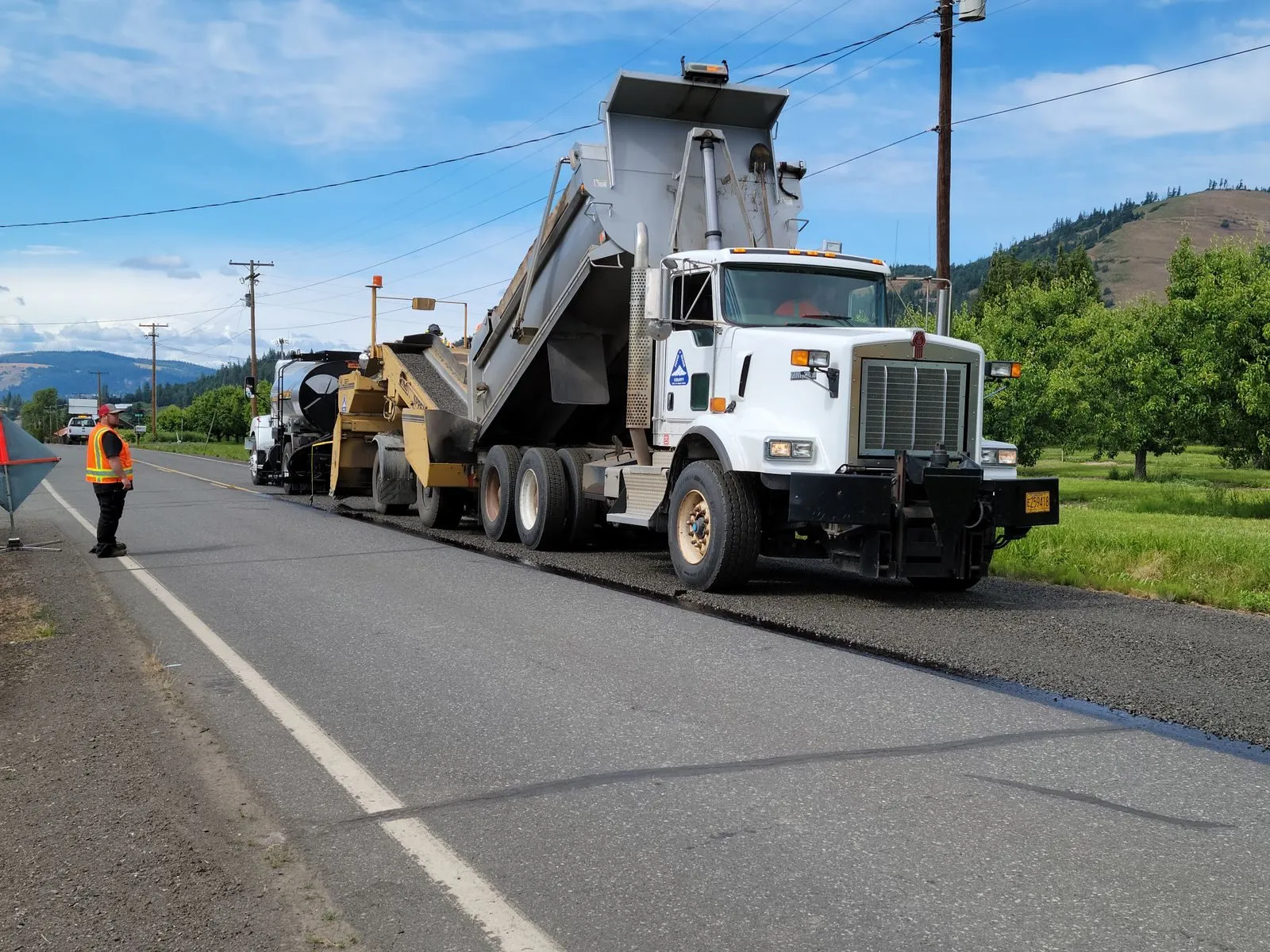
Hydrovac truck financing covers the lease and loan options Canadian contractors use to acquire vacuum excavation trucks. A hydrovac unit combines a high-pressure water system with an industrial vacuum to break up and remove soil without damaging buried utilities, making it the standard tool for safe excavation around gas lines, fibre optic cables and water mains. These trucks are among the most expensive single assets a contractor will buy, so most operators spread the cost across monthly payments tied to the revenue the truck produces.
Key takeaways
- Hydrovac trucks are high-value assets. Badger Infrastructure Solutions reported an average manufacturing cost of USD $418,000 per unit in Q2 2026, and retail prices for independently purchased trucks are typically higher.
- A hydrovac truck with a gross vehicle weight rating above 11,788 kilograms qualifies for CCA Class 16 at 40% declining balance, with enhanced first-year deductions available under the Accelerated Investment Incentive for trucks placed in service before 2028.
- The Canada Small Business Financing Program backs equipment loans up to $500,000 for businesses with annual revenue under $10,000,000.
- Both new and used hydrovac trucks qualify for financing, including units sourced from dealers, auctions or private sales.
| Item | Detail |
|---|---|
| Funding available | Up to $1,000,000 through CBL Financial |
| Terms | 24 to 72 months |
| CCA class (trucks over 11,788 kg) | Class 16 at 40% declining balance |
| CSBFP equipment loan cap | $500,000 per borrower |
| Bank of Canada policy rate | 2.25% as of October 2026 |
| Approval speed | Same-day approvals available |
What a hydrovac truck costs
A new hydrovac truck is one of the largest single purchases a contractor will make. Badger Infrastructure Solutions, which builds its fleet at a plant in Red Deer, Alberta, reported an average manufacturing cost of USD $418,000 per unit in its Q2 2026 filing. That figure covers the truck and vacuum system build but not licensing, delivery or taxes. Retail prices for units sold to independent operators through dealers run higher, depending on configuration, chassis brand and tank capacity.
Used hydrovac trucks trade at a range depending on age, hours and condition. A well-maintained unit from a fleet turnover can have years of productive life remaining. Lenders are comfortable financing used hydrovac trucks provided the unit has a verifiable serial number and reasonable remaining service life.
The high per-unit cost is exactly why financing is common. Paying cash for a hydrovac ties up capital that could cover payroll, fuel and insurance during the months it takes to build a customer base or ramp up on a new contract.
Lease vs. loan for a hydrovac truck
The choice between equipment leasing and an equipment financing loan depends on how long you plan to run the truck and whether you want it on your balance sheet.
| Equipment lease | Equipment loan | |
|---|---|---|
| Ownership | Lessor owns the truck during the term | You own the truck from day one |
| End of term | Return, upgrade or buy out at a pre-set residual | The truck is yours, fully paid |
| CCA deduction | Lessor claims CCA; you deduct lease payments as a business expense | You claim CCA at 40% (Class 16) |
| Cash outlay | Lower monthly payments; possible first-and-last structure | May require a down payment; higher monthly payments but you build equity |
| Upgrade path | Return at term end and move to a newer unit | Sell privately or trade in |
Pro tip: If you plan to run the truck for its full working life, buying usually costs less overall because you build equity and avoid a residual buyout. If you expect to upgrade to a larger or newer unit within a few years, a lease keeps you flexible. Run both options through the equipment financing calculator and factor in the CCA savings on the loan side before deciding.
CCA treatment: Class 16 at 40%
Most hydrovac trucks have a gross vehicle weight rating well above 11,788 kilograms, which places them in CCA Class 16 at 40% declining balance. Class 16 applies to freight trucks acquired after December 6, 1991 that exceed the weight threshold.
For a truck placed in service in 2026, the Accelerated Investment Incentive enhances the first-year deduction by suspending the standard half-year rule for eligible property acquired before 2028. The incentive is phasing down through 2027, so the exact first-year write-off depends on when the truck enters service. Have your accountant calculate the deduction based on your purchase timing.
Smaller hydrovac units that fall below the 11,788-kilogram threshold would go into CCA Class 10 at 30% instead. Most full-size hydrovac trucks on tri-axle or tandem configurations exceed that weight comfortably. For a broader walkthrough of CCA classes and deduction calculations, see our equipment financing tax benefits guide.
The Canada Small Business Financing Program
The CSBFP is a federal loan guarantee that reduces lender risk on equipment loans to small businesses. For hydrovac operators, the key details as of October 2026:
- Equipment loans up to $500,000 per borrower (shared with leasehold improvements).
- Open to businesses with gross annual revenue under $10,000,000. The average site preparation contractor in Canada earns $734,200 per year (NAICS 23891, as of 2024), well within the threshold.
- A 2% registration fee on the loan amount.
- An annual administration fee of 1.25% on the outstanding balance.
- Maximum term of 15 years for equipment.
- Floating interest capped at prime plus 3%, with the Bank of Canada policy rate at 2.25% as of October 2026.
The $500,000 cap covers many hydrovac purchases, though a top-spec new unit from a dealer may exceed that. In those cases, a combination of CSBFP and conventional financing can bridge the gap.
What lenders look at for a hydrovac file
The truck and the business both matter. Here is what moves a hydrovac financing application forward.
-
The truck. Chassis brand, tank size, pump configuration, age and hours. Full-size units from established manufacturers with Canadian dealer networks are easier to underwrite than custom builds with no resale comparables. Used trucks need verifiable hours and a credible maintenance history.
-
Contracts and revenue. A hydrovac business with standing contracts from utilities, municipalities or pipeline companies has a clearer path to approval than one relying entirely on spot jobs. Lenders want to see that the truck will generate revenue steadily enough to cover its own payments.
-
Time in business. Established operators have more financing options. Newer businesses can still qualify, especially when the truck is the primary collateral and the owner has relevant industry experience. For more detail on how lenders assess newer businesses, see our startup equipment financing guide.
-
Owner credit. The owner’s personal credit score matters, particularly for smaller operations where personal and business finances overlap. A stronger score opens more lenders and better terms.
-
Fleet context. If you already own one or more hydrovac trucks, lenders look at total obligations against revenue. Adding a truck that opens a new service area or fills a capacity gap is easier to justify than adding one without clear demand.
Heads-up: Lenders familiar with the hydrovac industry know these trucks earn revenue primarily through billable hours on job sites. They will want to see that your utilization rate supports the payment. If you are buying your first unit, a letter of intent from a potential customer or a contract in hand strengthens the file considerably.
How CBL Financial can help
CBL Financial arranges equipment financing and equipment leasing for hydrovac and vacuum excavation trucks across Canada, with funding up to $1,000,000 and terms from 24 to 72 months. One application goes to multiple lenders, and approvals can come the same day for straightforward files. If you are ready to look at numbers, apply online or start with the equipment financing calculator.
Frequently asked questions
Can I finance a used hydrovac truck?
Yes. CBL arranges financing for used hydrovac trucks from dealers, auctions and private sellers. The truck needs a verifiable serial number, reasonable remaining service life and a credible maintenance history. Terms may differ from new truck financing, but used hydrovac units are financed routinely.
What CCA class does a hydrovac truck fall under?
Most hydrovac trucks have a gross vehicle weight rating above 11,788 kilograms, which places them in CCA Class 16 at 40% declining balance. Smaller units that fall below that weight threshold would go into Class 10 at 30%. The Accelerated Investment Incentive provides an enhanced first-year deduction for trucks placed in service before 2028.
How much can I borrow through the CSBFP for a hydrovac truck?
The CSBFP backs equipment loans up to $500,000 per borrower, shared with leasehold improvements. Your business must have gross annual revenue under $10,000,000. The program charges a 2% registration fee and a 1.25% annual administration fee, with floating interest capped at prime plus 3%.
Is leasing or buying better for a hydrovac truck?
It depends on how long you plan to run the truck. Buying builds equity and lets you claim CCA directly at 40%, which suits operators who keep trucks for their full working life. Leasing keeps monthly payments lower and lets you return or upgrade at term end, which suits contractors who want to move to newer technology every few years.
Do I need a down payment?
It depends on the lender, the truck and your credit profile. Some structures require no money down on strong files, while others ask for a portion of the purchase price. Used trucks and newer businesses are more likely to need a down payment. CBL presents your file to multiple lenders so you can compare what each one requires.
Can I finance multiple hydrovac trucks at once?
Yes. Many lenders allow you to bundle multiple units into a single financing package, which simplifies payments and can improve overall terms. This is common for growing fleets adding two or three trucks to take on a new contract or expand into a new region.
General information, not financial advice.