Heavy Equipment Loans in Canada: How Lenders Finance Excavators, Loaders and Dozers
How Canadian businesses finance excavators, loaders and dozers through equipment loans, from bank terms to CCA deductions.
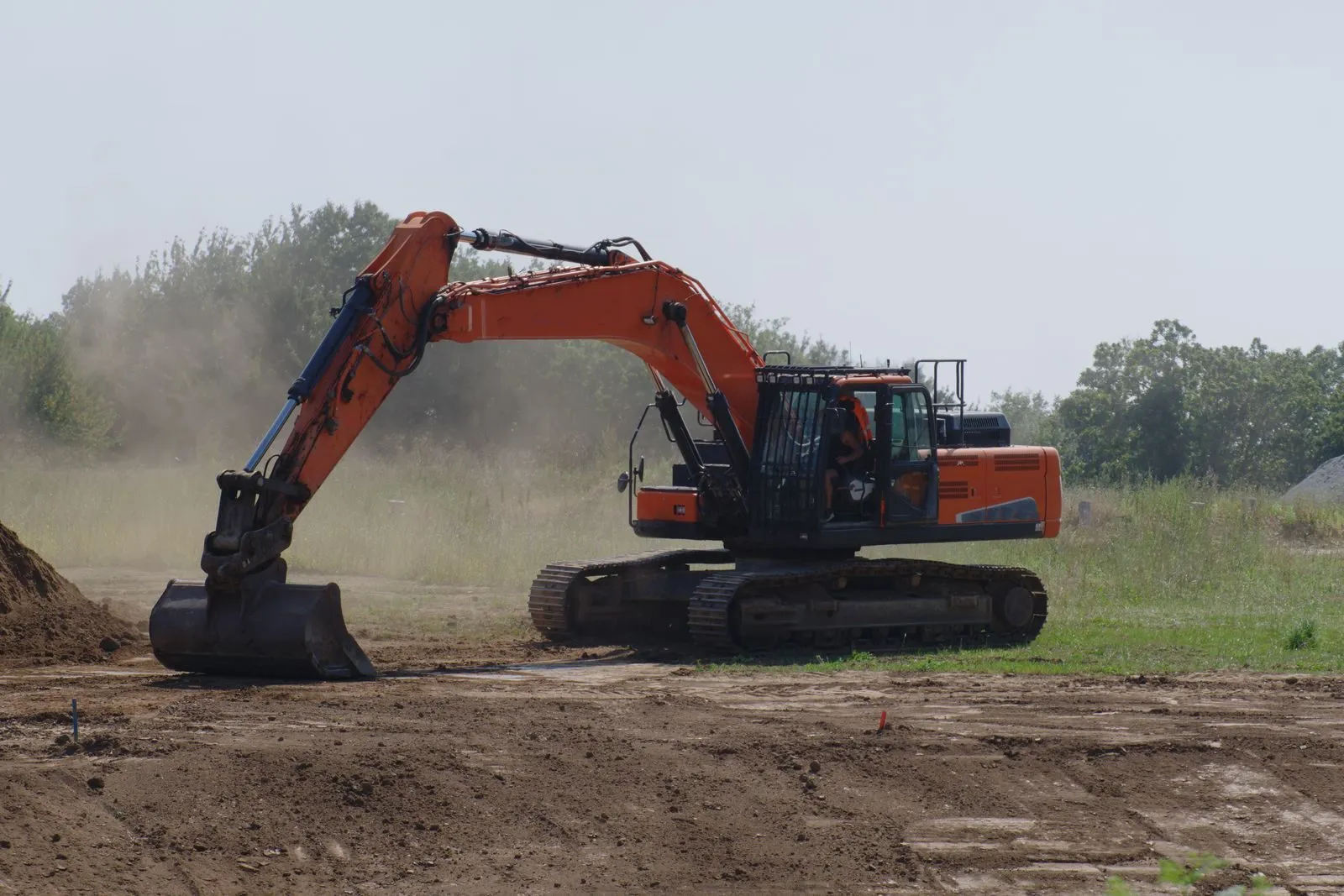
A heavy equipment loan is a secured term loan for buying machinery like excavators, wheel loaders and bulldozers. The equipment itself is the collateral. You own it from the day the seller is paid, you pay it down on a fixed schedule, and you claim capital cost allowance on it every year. About 35% of all spending on equipment and commercial vehicles in Canada goes through some form of financing, according to the CFLA’s 2026 Annual Report. Heavy equipment sits at the higher end of that market because the ticket prices are large and few businesses pay cash for a new excavator.
Key takeaways
- The equipment is the collateral: the lender registers a security interest under the provincial Personal Property Security Act (PPSA) and can recover the machine if you default
- Chartered banks hold 70.3% of business lending volume in Canada but set a higher bar for approval; BDC and independent lenders accept newer businesses or weaker files at higher rates
- CCA on excavators, loaders and dozers is 30% declining balance under Class 38, and loan interest is generally deductible as a business expense
- The Canada Small Business Financing Program (CSBFP) provides government-backed equipment loans up to $500,000, with rates capped at prime plus 3%
| Item | Detail |
|---|---|
| Typical structure | Secured term loan; the equipment is collateral |
| BDC equipment loan term | Up to 12 years |
| BDC loan-to-value | Up to 125% of purchase price (covers shipping, installation) |
| CSBFP equipment loan limit | Up to $500,000 |
| CCA class for earthmoving equipment | Class 38 at 30% declining balance |
| Bank of Canada policy rate | 2.50%, as of October 2026 |
How a heavy equipment loan works
The process follows the same general pattern whether the lender is a bank, BDC, or an independent finance company.
-
Application. You provide business details, financials, and information about the equipment: make, model, year, serial number, and purchase price. If you work through a broker, one application covers multiple lenders.
-
Equipment valuation. The lender assesses what the machine is worth today. For widely traded brands (Caterpillar, John Deere, Komatsu, Volvo), this is usually a desktop check against published auction results and dealer guides. Unusual or custom equipment may need a physical inspection.
-
Credit and business review. The lender looks at your credit history, time in business, revenue and cash flow. Banks tend to want two or more years of operating history and clean credit. BDC and independent lenders accept a wider range of files.
-
PPSA registration and funding. Once approved, the lender registers a security interest under the provincial PPSA. The seller gets paid directly and the equipment goes to your site.
Where to get a heavy equipment loan
Banks and the CSBFP
Chartered banks account for 70.3% of new business lending in Canada, as of the second half of 2024. They tend to price lower than other lender types for qualified borrowers but expect strong credit, full financial statements, and an established track record.
Banks also deliver equipment loans through the Canada Small Business Financing Program (CSBFP). CSBFP equipment loans go up to $500,000, with a registration fee of 2%, an annual administration fee of 1.25%, and a floating rate cap of prime plus 3%. Your business needs gross annual revenue under $10,000,000 to qualify.
BDC
The Business Development Bank of Canada offers equipment loans with terms up to 12 years and financing up to 125% of the purchase price, with the extra covering shipping, installation and training. Borrowers can defer principal payments for up to 24 months at the start of the loan. Rates run higher than bank rates for the same credit profile, but the longer terms and higher advance ratio make BDC worth comparing when the ticket price is high. A contractor buying a new excavator at several hundred thousand dollars, for example, may value a longer amortization that keeps monthly payments manageable.
Independent lenders and brokers
Independent finance companies approve a wider range of files than banks. They move faster, and many will finance used equipment from private sellers or auction purchases that banks are less willing to take on. Rates are higher than bank pricing, but for a business that falls outside the bank’s approval window, an independent lender may be the realistic option.
A broker submits your application to multiple lenders and brings back competing offers. This is useful when you want to compare terms without running separate applications. For more on how these lender types compare, see our guide to equipment financing companies in Canada.
Loan vs lease for heavy equipment
Both structures get the equipment to your site, but they differ in ownership, tax treatment, and what happens at the end of the term.
| Factor | Equipment loan | Equipment lease |
|---|---|---|
| Ownership | Yours from day one | The lessor owns it; you use it |
| Balance sheet | The asset and the liability both appear | Operating lease may stay off-balance-sheet |
| Tax deduction | CCA on the asset plus interest on the loan | Lease payments deducted as an operating expense |
| End of term | Loan paid off, you own the equipment outright | Buy it at a residual, upgrade, or return it |
| Best for | Long-life equipment you plan to keep for years | Equipment you expect to replace within a cycle |
Heavy earthmoving equipment tends to stay productive for a long time when maintained. Excavators, loaders and dozers from recognized manufacturers hold their value reasonably well, which means the equity you build through a loan has real worth. If you plan to keep the machine past the loan term, a loan usually makes more sense. A lease can work if you rotate equipment on shorter cycles or want the flexibility to upgrade. For a deeper comparison, see our guide to operating lease advantages vs capital lease.
Tax treatment of heavy equipment loans
Capital cost allowance
When you buy heavy equipment with a loan, you can claim CCA on the asset. The CRA assigns equipment to classes with prescribed rates:
- Excavators, wheel loaders, bulldozers, compactors and graders fall under Class 38 at 30% on a declining balance.
- Heavy trucks rated above 11,788 kilograms gross vehicle weight, acquired after December 6, 1991, fall under Class 16 at 40%.
The interest you pay on the loan is also generally deductible as a business expense. Together, CCA and interest deductions reduce the after-tax cost of the equipment over the life of the loan. For a broader look at equipment financing and taxes, see our equipment financing tax benefits guide.
Accelerated Investment Incentive
Equipment acquired after November 20, 2018 and available for use before 2028 may qualify for the Accelerated Investment Incentive, which provides an enhanced first-year CCA deduction. The incentive is scheduled to phase down, so the timing of your purchase matters. Your accountant can confirm whether the incentive still applies at the rate you expect.
Pro tip: If you are buying a used excavator or loader from a private seller, the purchase still qualifies for CCA once the asset is in service. The CRA does not distinguish between new and used equipment for CCA purposes. What matters is that the equipment is available for use in your business, and that you can document the purchase price for the UCC calculation.
How CBL Financial can help
CBL Financial is an equipment financing broker that works with lenders across Canada. We prepare one application and send it to the lenders best suited to your equipment type, industry and credit profile. Funding goes up to $1,000,000, with terms from 24 to 72 months, and we work with new equipment, used equipment and private sales. To see what your payments might look like, try the equipment financing calculator or apply online.
Frequently asked questions
Can I finance a used excavator or loader?
Yes. Banks are more selective about used equipment, particularly private-sale units, but BDC, independent lenders and brokers regularly finance used heavy equipment. The lender will verify the serial number, assess the machine’s condition and remaining useful life, and check the PPSA registry for existing liens. Well-maintained equipment from recognized manufacturers has the strongest chance of approval.
What do lenders look at when financing heavy equipment?
The equipment’s market value and condition, your credit history and time in business, your revenue and cash flow, and whether the machine has a clean title. The equipment itself is the primary collateral, so machines from well-known manufacturers with active resale markets are easier to finance than custom or niche units.
How long are heavy equipment loan terms?
It depends on the lender. BDC offers terms up to 12 years. Banks tend to offer shorter terms. Through CBL Financial, terms range from 24 to 72 months. The right term depends on the equipment’s expected productive life and your cash flow.
Is a down payment required?
Requirements vary by lender and by the strength of your file. Some lenders require a down payment; others offer zero-down structures when the equipment’s value and your credit support it. For more on what lenders typically ask for, see our equipment financing requirements guide.
Can I get a heavy equipment loan as a startup?
It is harder, but possible. Most banks want established history. BDC and independent lenders are more willing to work with newer businesses when the equipment provides strong collateral. Industry experience, a signed contract, or a solid business plan can all strengthen a startup application. See our startup equipment financing guide for a detailed breakdown.
General information, not financial advice.