Lease Financing for Canadian Businesses: Advantages, Disadvantages and When It Fits
Advantages and disadvantages of lease financing for Canadian businesses, with tax treatment and how to decide.
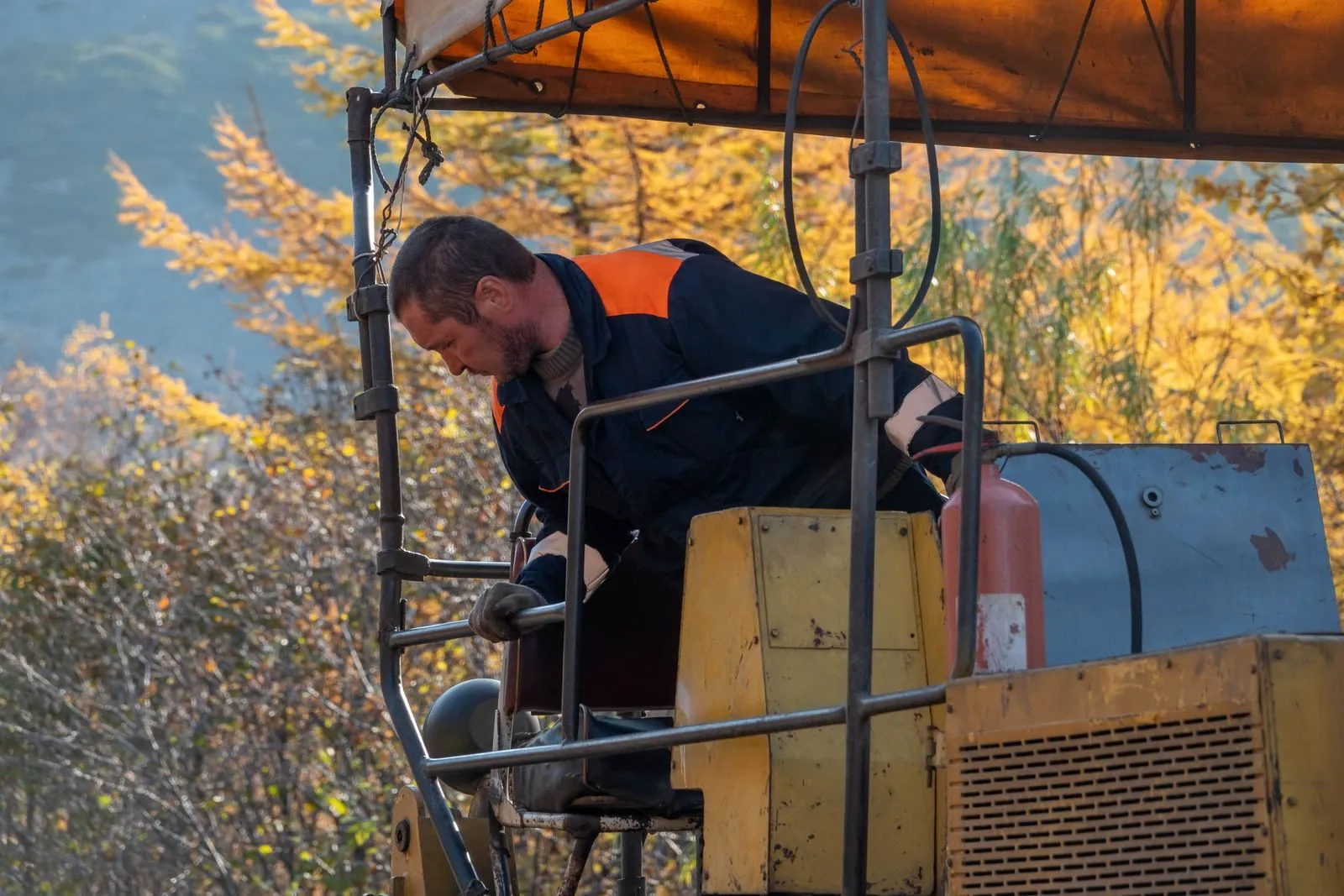
Lease financing lets a business use equipment by making fixed payments over a set term instead of paying the full purchase price. A leasing company buys the equipment you choose, and you pay to use it for the length of the contract. At the end, depending on the structure, you can buy the equipment for a pre-set amount, return it, or upgrade to something newer.
This guide covers the practical advantages and disadvantages of leasing, how the tax treatment compares to buying, and how to decide which approach fits your situation.
Key takeaways
- Leasing preserves working capital because there is no large purchase payment, and monthly costs are fixed and predictable across the full term.
- Lease payments on business equipment are generally deductible as a business expense in the year they are paid, which is simpler than the multi-year CCA schedule for purchased equipment.
- The total cost of leasing usually exceeds the cost of buying the same equipment outright, because the lessor’s margin and financing cost are built into the payments.
- Operating leases let you return or upgrade equipment at the end of the term, which suits technology that changes quickly. Capital leases build toward ownership, which suits long-lived assets. We compare both structures in our operating vs. finance lease guide.
| Item | Detail |
|---|---|
| What it is | Fixed monthly payments to use equipment without buying it outright (unless you choose a buyout lease) |
| Common terms | 24 to 72 months |
| Tax treatment | Lease payments generally deductible as a business expense (consult your accountant) |
| Ownership at end | Operating lease: return, renew or buy at market value. Capital lease: yours for a token amount |
| Approval basis | Equipment value, business revenue and credit profile |
| Funding through CBL | Up to $1,000,000 |
Advantages of lease financing
Preserves working capital
Buying equipment outright ties up cash that your business needs for payroll, materials, inventory and day-to-day operations. A lease converts that large payment into smaller monthly instalments. The cash stays in the business rather than sitting in a piece of steel on the shop floor.
This matters most for growing businesses that need equipment to take on new contracts but cannot afford to drain their operating account. It also matters seasonally: a landscaping company leasing a skid steer in March keeps its cash available for the spring labour and materials ramp-up.
Predictable monthly payments
Lease payments are fixed for the term. Unlike a variable-rate loan, the amount does not change when interest rates move. That makes cash flow forecasting simpler, because you know the exact cost every month for the life of the contract.
Simpler tax deductions
Lease payments on business equipment are generally deductible as operating expenses in the year you make them. If you buy the same equipment, you claim Capital Cost Allowance (CCA) instead, which spreads the deduction over years on a declining balance. For general machinery in Class 8, the CCA rate is 20% per year. A lease deduction hits your books in the current year; a CCA deduction takes longer to fully realize.
The federal Accelerated Investment Incentive does enhance first-year CCA for purchased equipment, though the enhancement is being phased out before 2028. Your accountant can confirm which approach produces a better result for your tax situation.
Protection against obsolescence
Technology changes. Diagnostic equipment, medical imaging machines, IT hardware and software-dependent machinery can become outdated well before they wear out. An operating lease lets you hand the equipment back at the end of the term and lease current technology instead. The risk of holding a depreciating asset falls on the lessor, not on your business.
Easier qualification
Banks have strict eligibility criteria and can decline applications from newer businesses, companies with limited credit history, or deals involving used or private-sale equipment. Leasing companies and alternative lenders evaluate the equipment itself as collateral, which often means more flexible approval criteria. A piece of equipment with strong resale value supports the deal even if the borrower’s file is not a standard bank fit.
Keeps borrowing capacity open
A lease, particularly an operating lease, may not consume your available credit lines the way a large term loan does. If your business has a line of credit at the bank, financing equipment through a separate lease keeps that line available for other needs.
Disadvantages of lease financing
Higher total cost
Add up all the lease payments over the full term, including any buyout at the end, and the total will almost always exceed what you would have paid to buy the equipment outright or with a loan. The lessor is financing the equipment for you, and that cost is built into the payment structure. For long-lived equipment that holds its value well, buying is usually the cheaper path over the equipment’s full life.
No ownership until buyout
With an operating lease, you do not build equity. Every payment is rent, and when the term ends, you own nothing unless you exercise a purchase option. With a capital lease (a buyout or dollar-out lease), you do take ownership at the end, but you pay a premium over a straight purchase for the convenience of spread-out payments.
Contractual commitment for the full term
A lease is a binding contract. If your business changes direction, the equipment becomes unnecessary, or something better appears on the market, you are still on the hook for the remaining payments. Early termination provisions exist in some contracts, but they typically involve penalties. Read the early-exit clause before signing.
Restrictions on use and modifications
Leased equipment belongs to the lessor. Some lease agreements restrict how you use the equipment, where you operate it, and whether you can modify it. Excess-wear clauses and hour or kilometre limits can result in charges at the end of an operating lease. If you plan to customize or heavily use the equipment, read those clauses carefully.
Pro tip: Before signing a lease, ask for the return conditions in writing. Know what counts as normal wear and what triggers a charge, especially on vehicles and mobile equipment with hour meters or odometers. Comparing the return conditions across two or three lease offers can be just as revealing as comparing the monthly payment.
Leasing vs. buying: a side-by-side comparison
| Factor | Leasing | Buying (loan or cash) |
|---|---|---|
| Upfront cost | Low or zero down, depending on the lender | Down payment often required for a loan; full price if paying cash |
| Monthly cost | Fixed lease payments for the term | Loan payments (principal + interest), or zero if paid cash |
| Total cost over equipment life | Higher (lessor’s margin and financing cost included) | Lower if you hold the equipment for its full useful life |
| Ownership | Lessor owns the equipment; you use it | Yours from day one |
| Tax deduction | Lease payments deductible as a business expense in the year paid | CCA on the asset over multiple years; loan interest is deductible |
| End of term | Return, buy out at residual value, or upgrade | Equipment is yours to keep, sell or trade |
| Obsolescence risk | Lessor absorbs it (on an operating lease) | You carry it |
| Cash flow impact | Predictable monthly payment, no large initial outlay | Large initial outlay or ongoing loan payments |
For a deeper breakdown of operating vs. capital lease structures and how each works, see our guide to operating leases and finance leases.
Heads-up: If you plan to keep the equipment for its entire productive life, buying with a term loan usually costs less over the long run. Leasing’s advantage is clearest for equipment you expect to replace or upgrade within a few years.
How CBL Financial can help
CBL Financial arranges equipment leases and term loans for businesses across Canada, with funding up to $1,000,000 and terms from 24 to 72 months. We work with a network of lenders that fund new and used equipment from any seller, including dealers, auctions and private sales. If you want to compare what a lease and a loan would look like for the same piece of equipment, apply online or try the equipment financing calculator to model the numbers.
Frequently asked questions
Is it better to lease or buy equipment for a small business?
It depends on how long you need the equipment and how your cash flow works. Leasing preserves cash and lets you upgrade more easily, so it suits equipment that changes quickly or businesses that need to conserve working capital. Buying costs less over the equipment’s full life and gives you an asset you can sell or trade later. Many businesses use both approaches for different categories of equipment.
Are lease payments on equipment tax deductible in Canada?
Lease payments on equipment used for business purposes are generally deductible as a business expense in the year you make them. This is different from buying, where you claim Capital Cost Allowance over multiple years on a declining balance. Your accountant can confirm the treatment that applies to your specific lease and tax situation.
Can I lease used equipment?
Yes. Leasing is available for used equipment as long as it has a verifiable serial number and enough remaining useful life to support the lease term. Private sales and auction purchases can qualify too. The lender evaluates the equipment’s condition and resale value as part of the approval.
What happens at the end of an equipment lease?
With an operating lease, you typically choose between returning the equipment, buying it at fair market value, or extending the lease. With a capital lease (buyout or dollar-out), you own the equipment at the end for a nominal amount. The end-of-term options are set when you sign, so there should be no surprises.
Does leasing equipment affect my credit or borrowing capacity?
A capital lease appears as a liability on your balance sheet, similar to a loan. An operating lease may have a lighter balance-sheet impact for private enterprises using ASPE accounting standards, which can help preserve borrowing room with your bank. Either way, the lease payments will appear on your credit report as a financial obligation.
How fast can I get approved for an equipment lease?
Timelines vary by the deal’s complexity, the lender and how complete your application is. Through CBL Financial, approvals can come the same day for straightforward files, with funding in as little as 48 hours.
General information, not financial advice.